Why Medu Vadas Hold a Special Place in Every Indian Home
Some foods become special not because they are complicated, but because of the memories built around them. For many Indian families living in Europe, medu vada is one of those foods. It reminds us of slow weekends, family conversations and the happiness of eating something freshly made at home.
Growing up in India, weekends often had their own rhythm. There was more time for breakfast, relatives could arrive without much planning, and the kitchen slowly became the busiest place in the house. The smell of coffee, the sound of vessels and the aroma of something frying would quietly bring everyone together naturally, without anyone having to ask.
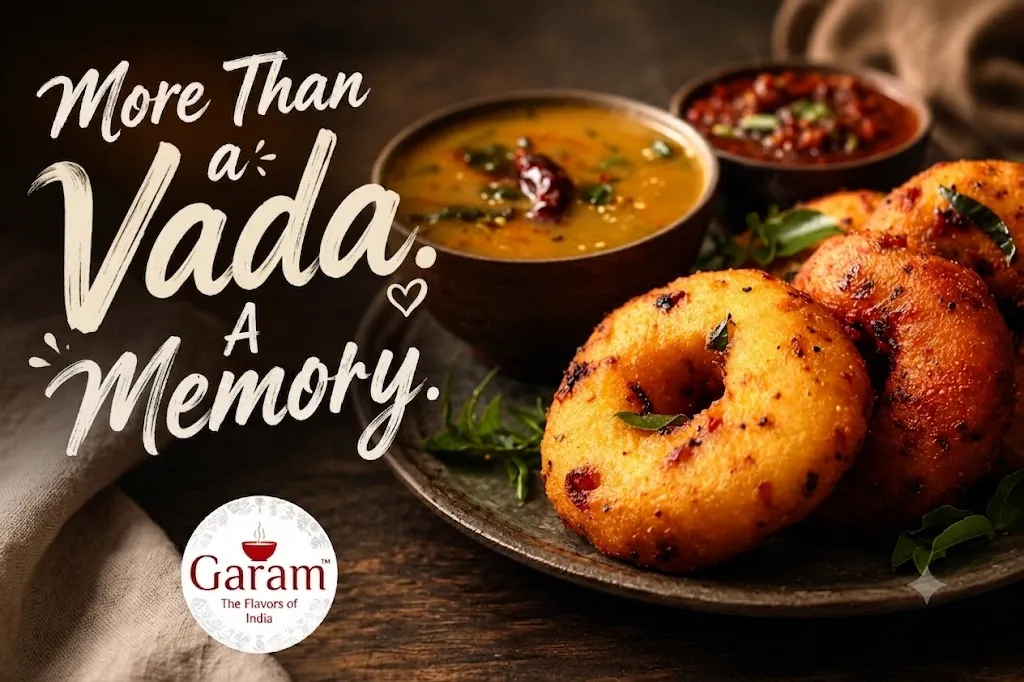
Made traditionally with urad dal, medu vada is known for its crisp outside and soft, airy centre. The batter is usually seasoned with green chilli, ginger, curry leaves, pepper and salt. The batter needs the right consistency to create a soft centre.
For some, it is a Sunday breakfast made by their mother. For others, it is something a grandmother prepared when relatives came home. It could be part of a birthday breakfast, a family get-together or a festival morning when everyone was awake earlier than usual.
During family functions, medu vada becomes part of an even bigger memory.
Think about an Indian wedding, housewarming ceremony, birthday celebration or festival gathering. The kitchen becomes busy long before the guests arrive. Someone prepares the batter, someone fries the vadas, another person gets the chutney and sambar ready, while relatives move around making sure everything is in place.
The preparation itself becomes part of the celebration.
These are the traditions many Indians living in Europe sometimes find themselves missing.
Life abroad naturally develops a different rhythm. Work, school and household responsibilities can make weekends disappear quickly. Family members may live in different cities, and large gatherings may happen less often. Festivals can feel different when loved ones are far away.
Yet food gives us a way to keep some of those connections alive.
A Sunday breakfast with medu vada can become a small family ritual. Friends can gather around the table. During festivals, familiar dishes can recreate a little of the atmosphere we remember from India, even thousands of kilometres away.
For children growing up in Europe, these moments can be meaningful too.
They may not know the busy kitchens of their parents’ childhood or the large family functions that happened back in India. But they can still experience the food, hear the stories and understand why a particular dish matters to their family.
That is how food traditions quietly move from one generation to another.
The surroundings may change, but the ritual remains: hot vadas on a plate, coconut chutney on the side, sambar being served, someone asking for one more, and conversations continuing long after breakfast is finished.
These moments may feel ordinary when we are living them. Years later, they can become the moments we miss most.
Perhaps that is why medu vada holds such a special place in Indian homes. It is not only about the crisp texture, soft centre or familiar spices. It represents togetherness—the kind that happens naturally when food brings people around the same table.
For Indian families across Europe, keeping these traditions alive does not always require a large celebration. Sometimes, a relaxed weekend breakfast, a festival morning or a small gathering with friends is enough to bring back that familiar feeling.
And when preparing traditional batter from scratch is not practical, Garam Foods Vada Batter offers a convenient way to make vadas at home. It can fit naturally into weekend breakfasts, family gatherings and festive occasions, making it easier to create familiar food moments wherever home happens to be.
Because sometimes, staying connected to home is not about being in the same place. It is about keeping the little traditions alive.