
Crispy, Soft or Fluffy? How to Get the Perfect Ragi Dosa & Idli Every Time
There is something satisfying about getting a ragi dosa just right.
You pour the batter onto a hot pan, spread it gently, and wait. Within seconds, the edges begin to lift, the centre cooks through, and the surface starts turning crisp. The kitchen fills with a warm, nutty aroma.
But the next morning, the same batter can behave differently. The dosa may turn soft, the edges may refuse to crisp, or the idlis may come out heavier than expected.
So, what really makes the difference?
It Starts With the Batter
Ragi dosa and idli look simple, but their texture depends on consistency, fermentation, temperature, and cooking time.
Ragi has a naturally earthy flavour and does not contain gluten, so getting the right texture needs a little attention.
For dosa, a batter that is too thick can make the result heavy and soft. A smooth, pourable consistency helps it spread easily and develop crispy edges.
For idli, the batter needs to be thicker. It should hold its shape in the mould while remaining light enough to produce a soft, fluffy texture.
The Quiet Magic of Fermentation
Fermentation is one of the most important parts of a good idli and dosa batter.
During fermentation, microorganisms produce gases that create tiny air pockets. These help idlis become soft and airy instead of dense.
Temperature makes a noticeable difference.
In a warm kitchen, fermentation can happen quickly. In colder weather, it may take longer, especially during winter in Germany and across Europe.
Rather than watching the clock, look at the batter. Properly fermented batter becomes lighter, develops a mild tang, and may show small bubbles.
The Pan Matters Too
Even a well-prepared batter can struggle on the wrong pan.
For a crispy ragi dosa, heat the pan properly first. If it is too cold, the batter may stick and cook slowly. If it is extremely hot, the dosa can cook unevenly.
Sprinkle a few drops of water onto the pan. They should sizzle and evaporate without disappearing instantly.
Then pour the batter and spread it gently.
For a crispier dosa, spread it thinner and cook until the edges release. For a softer dosa, keep it slightly thicker and avoid overcooking.
The same batter can create two completely different textures.
What Makes Idlis Soft?
With idli, steam is your friend.
Fill the moulds without overloading them and make sure the steamer has enough water. Once steady steam forms, cook until the idlis are fully set.
One common mistake is opening the steamer too early. Giving the idlis enough time to cook helps them develop an even, fluffy texture.
After steaming, let them rest for a couple of minutes before removing them. This helps prevent them from breaking apart.
Small Changes Make a Big Difference
Perfect ragi dosa or idli is not about one secret trick. It is about understanding what the batter needs.
A thinner batter and well-heated pan can help create a crisp dosa. A properly fermented, thicker batter and gentle steaming can give you soft, fluffy idlis. Cooler weather may require more fermentation time, while a warmer kitchen may need less.
Once you notice these differences, breakfast becomes less about following a fixed recipe and more about reading the batter.
Perhaps that makes South Indian breakfast so interesting. The ingredients are familiar, but texture can change with weather, fermentation, the pan, and small changes in preparation.
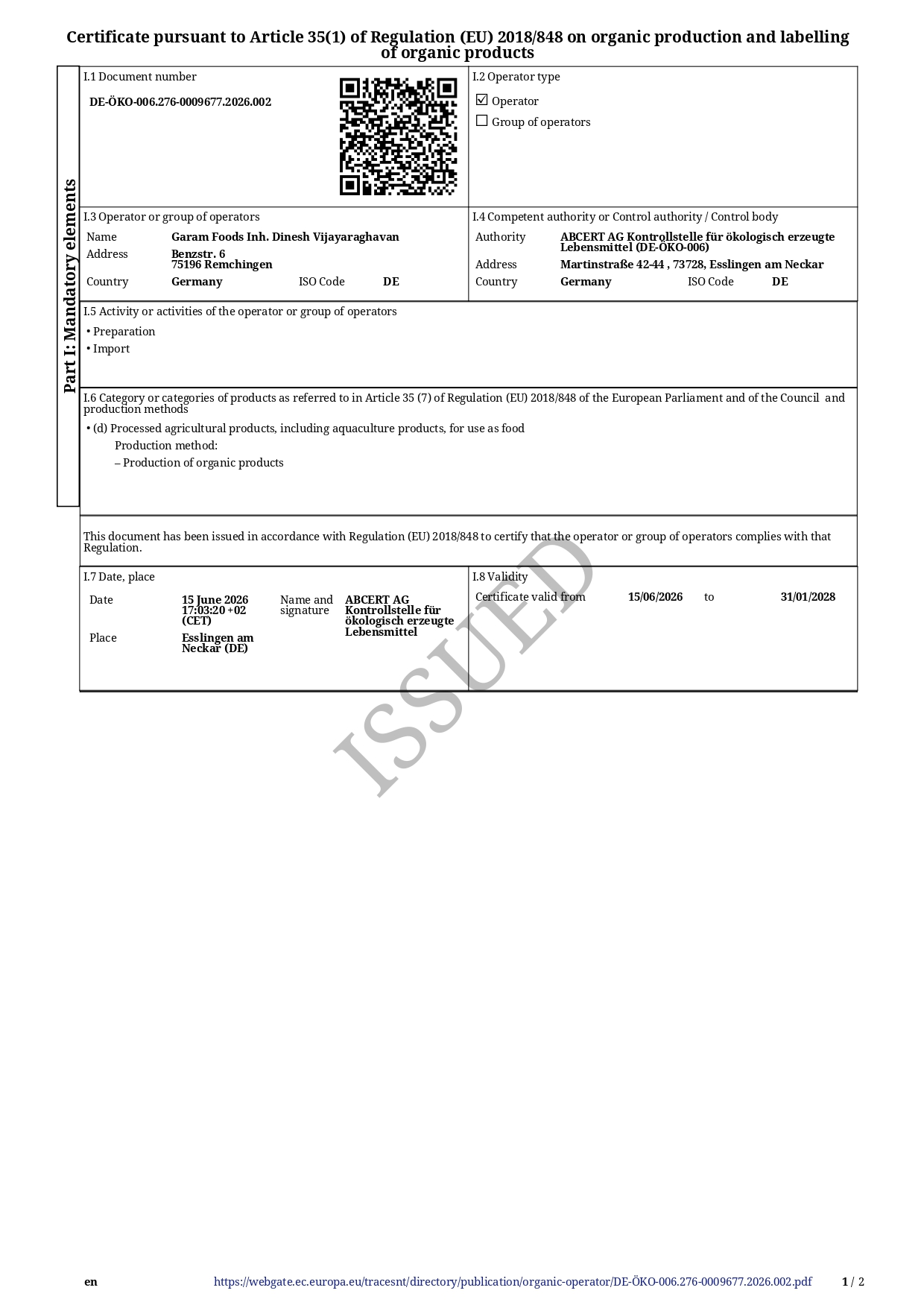
For busy mornings, Garam Foods keeps this familiar process simple. Their Ragi Idly & Dosa Batter works for soft, fluffy idlis or crisp dosas.