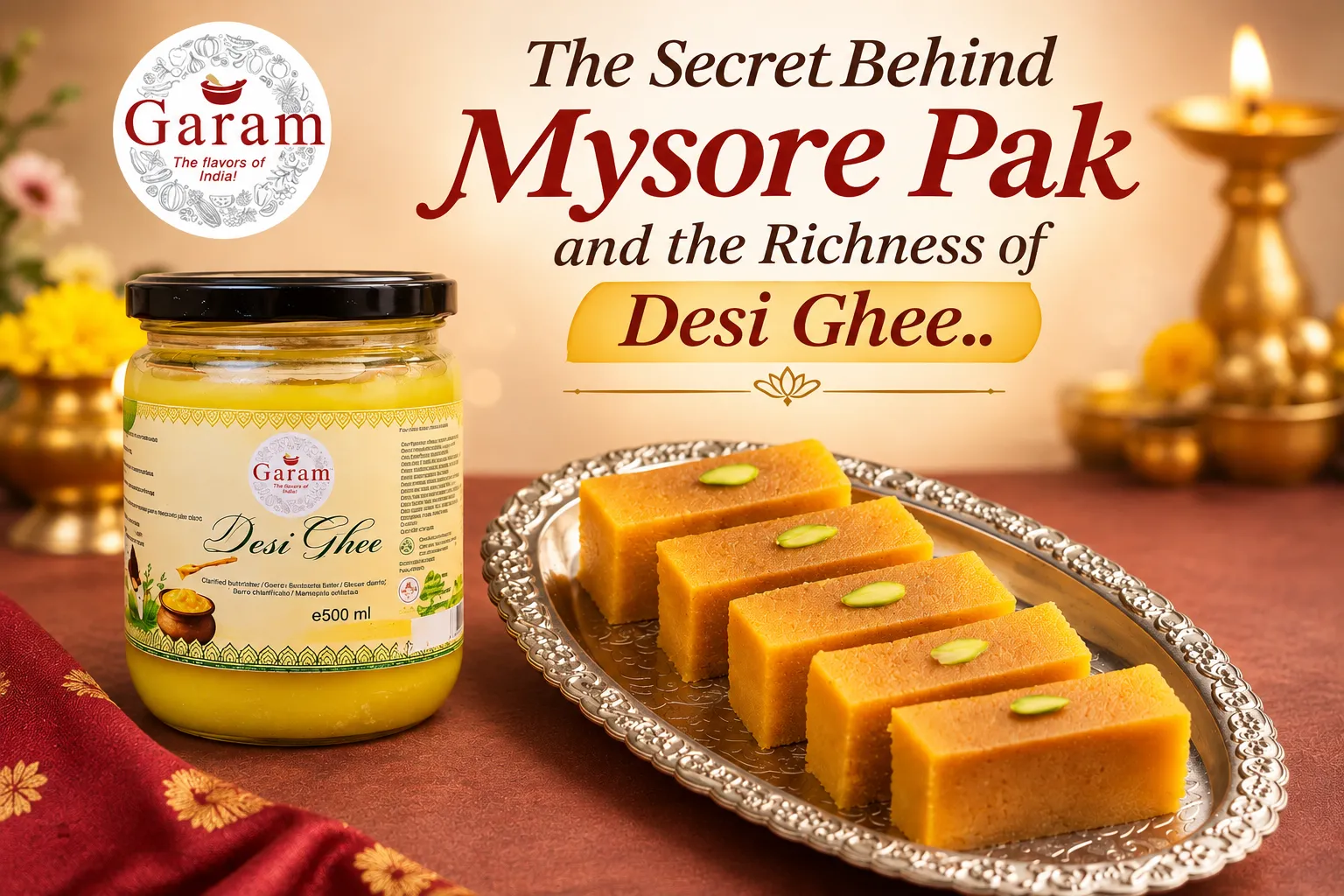
Mysore Pak: The Sweet Story of Ghee, Time and Tradition
Some sweets satisfy a craving. Others carry the story of a place, a tradition, and generations of sweet-making.
A Sweet Born in Mysore
Mysore Pak is one of Karnataka’s most loved traditional sweets. Its story is popularly linked to the royal kitchens of the Mysore Palace, where a sweet made with gram flour, sugar, and ghee became a memorable part of South Indian food heritage.
Today, Mysore Pak is enjoyed during Deepavali, weddings, family celebrations, and everyday moments when something sweet is called for. From its rich aroma to its distinctive texture, this golden treat continues to hold a special place in Indian kitchens.
One Sweet, Different Experiences
Mysore Pak is often recognised in two styles. The traditional version is generally softer and richer, with a melt-in-the-mouth texture, while the firmer, porous version commonly found in sweet shops has a more crumbly bite. The proportions and cooking technique make all the difference.
Although Mysore Pak is closely associated with Mysuru in Karnataka, it is enjoyed across India, with regional sweet shops and home cooks adding their own touch. Its name remains rooted in its Mysore heritage, even when the recipe travels far beyond the state.
How to Make Mysore Pak at Home
Ingredients: 1 cup gram flour (besan), 1 cup sugar, 1/4 cup water, and approximately 1 cup Garam Desi Ghee, warmed and used gradually.
Step 1: Prepare the flour
Sift the gram flour to remove lumps. Lightly roast it till you fell the flour aroma
Step 2: Make the sugar syrup
Heat the sugar and water in a heavy-bottomed pan until the syrup reaches one string consistency.
Step 3: Combine the ingredients
Mix the with the half cup of Garam Desi Ghee with the gram flour and mix it without lumps. Now add the mixture to the hot sugar syrup stirring continuously to prevent lumps. Slowly incorporate the warm ghee in batches.
Step 4: Cook with patience
Keep stirring as the mixture thickens and becomes glossy. When it begins to leave the sides of the pan, transfer it to a greased tray.
Step 5: Cool and cut
Allow it to set slightly, mark into squares while still warm, and leave to cool before serving.
Kitchen note: Hot sugar syrup can cause serious burns. Use a deep, sturdy pan and handle the mixture carefully.
Why Desi Ghee Makes a Difference
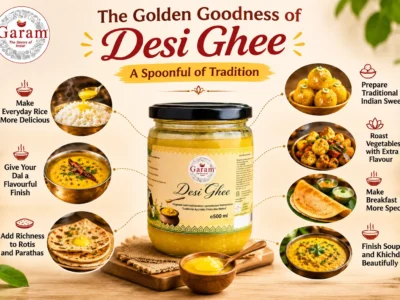
Ghee is central to Mysore Pak’s flavour and texture. It contributes a rich aroma, helps create the sweet’s characteristic mouthfeel, and balances the roasted notes of gram flour. Adding warm ghee gradually while stirring helps the mixture cook more evenly.
Quality matters, too. Fresh, well-stored Desi Ghee can bring a pleasant richness to traditional sweets, making it a valued ingredient in festive cooking.
Tips for a Better Mysore Pak
Sift the flour: This helps reduce lumps and creates a smoother mixture.
Warm the ghee: It is easier to incorporate gradually when warm.
Keep stirring: Consistent mixing helps prevent uneven cooking or scorching.
Watch the texture: Cooking time affects whether the sweet turns soft or firm.
Food for Thought: Why Do Traditional Sweets Take Time?
Mysore Pak reminds us that a few simple ingredients can create something extraordinary when handled with care. The right temperature, steady stirring, and patience transform gram flour, sugar, and ghee into a sweet that has lasted through generations.
At Garam Foods, ingredients such as Desi Ghee connect everyday cooking with the traditions we cherish. Whether prepared for a festival or shared over an ordinary afternoon, Mysore Pak is a reminder that some of our sweetest memories begin in the kitchen.