
Is Appam Indian or Sri Lankan? A Dish With More Than One Story
Ask someone from Kerala about appam, and you may hear about a soft, fluffy centre with thin, crispy edges. Ask someone from Sri Lanka about appa, and you may hear about a bowl-shaped hopper, sometimes with an egg sitting neatly in the middle.
So, is appam Indian or Sri Lankan?
The answer is not quite that simple. India and Sri Lanka both have their own versions of this much-loved dish, and their food traditions have been connected across the region for generations.
In Kerala, Appam or Vellappam is a familiar part of the breakfast table. Made from a fermented rice-based batter, it is traditionally cooked in an appachatti, where the batter is swirled around the pan. The edges become thin and crisp while the centre stays soft and airy. It is often enjoyed with vegetable stew, coconut milk or a curry.
In Sri Lanka, a similar preparation is known as Appa or Hopper. The batter is swirled around a small rounded pan, creating the same characteristic crisp edges and soft middle. But Sri Lankan cooking has taken the idea in several delicious directions.
One of the most famous is Bittara Appa, or the egg hopper. An egg is cracked into the centre while the hopper cooks, creating a simple meal with a beautiful combination of crispy edges and a soft, savoury centre.
And Bittara Appa is not the only variation. Sri Lankan kitchens also have Milk Hoppers, where coconut milk brings extra richness to the batter, and Pani Appa, a sweeter version that can be enjoyed almost like a small dessert.
Then there is Idiyappam, also known as string hoppers. Although its name contains “appam,” it is quite different from the bowl-shaped appam. Rice-flour dough is pressed into delicate strands and steamed into small nests. In Sri Lanka, string hoppers are often served with dhal curry, coconut sambol or other curries.
So, if we put them together, the appam family becomes quite a fascinating list:
- Kerala Appam / Vellappam – soft in the centre with delicate crispy edges
- Sri Lankan Appa / Hopper – a bowl-shaped fermented rice pancake
- Bittara Appa – Sri Lankan egg hopper
- Milk Hopper – a softer, coconut-rich variation
- Pani Appa – a sweet Sri Lankan-style variation
- Idiyappam / String Hopper – steamed rice-flour strands, not the same as appam
What makes this story interesting is that food rarely follows modern borders neatly. Recipes travel with people, families and communities. As they move from one place to another, ingredients and cooking styles change, creating new versions while keeping something familiar at their heart.
That is probably why appam feels at home in more than one kitchen.
Today, Indian and Sri Lankan families living across Europe still enjoy these foods when they want something that reminds them of home. But traditional appam batter can take time — soaking, grinding and fermenting are all part of the process.
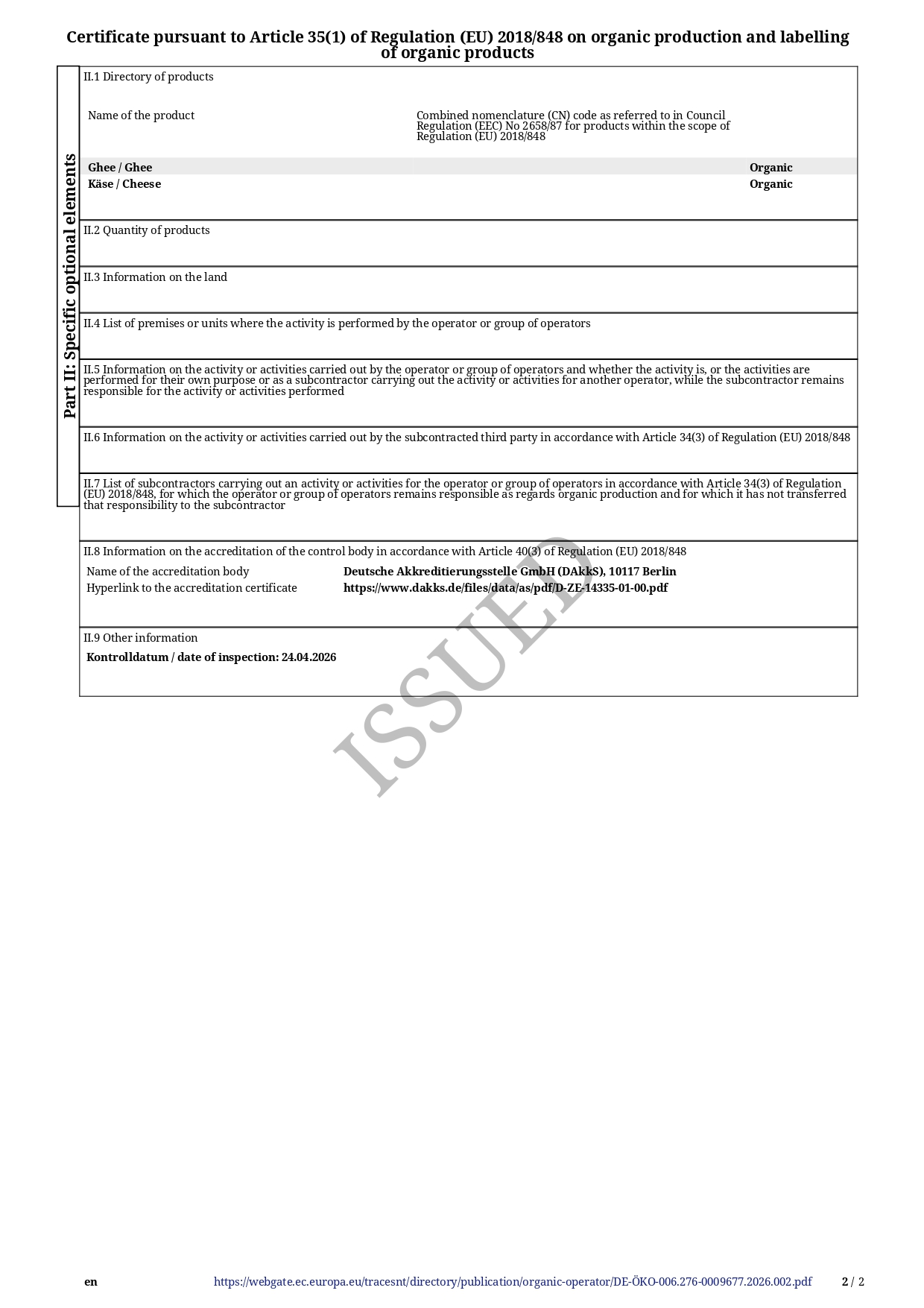
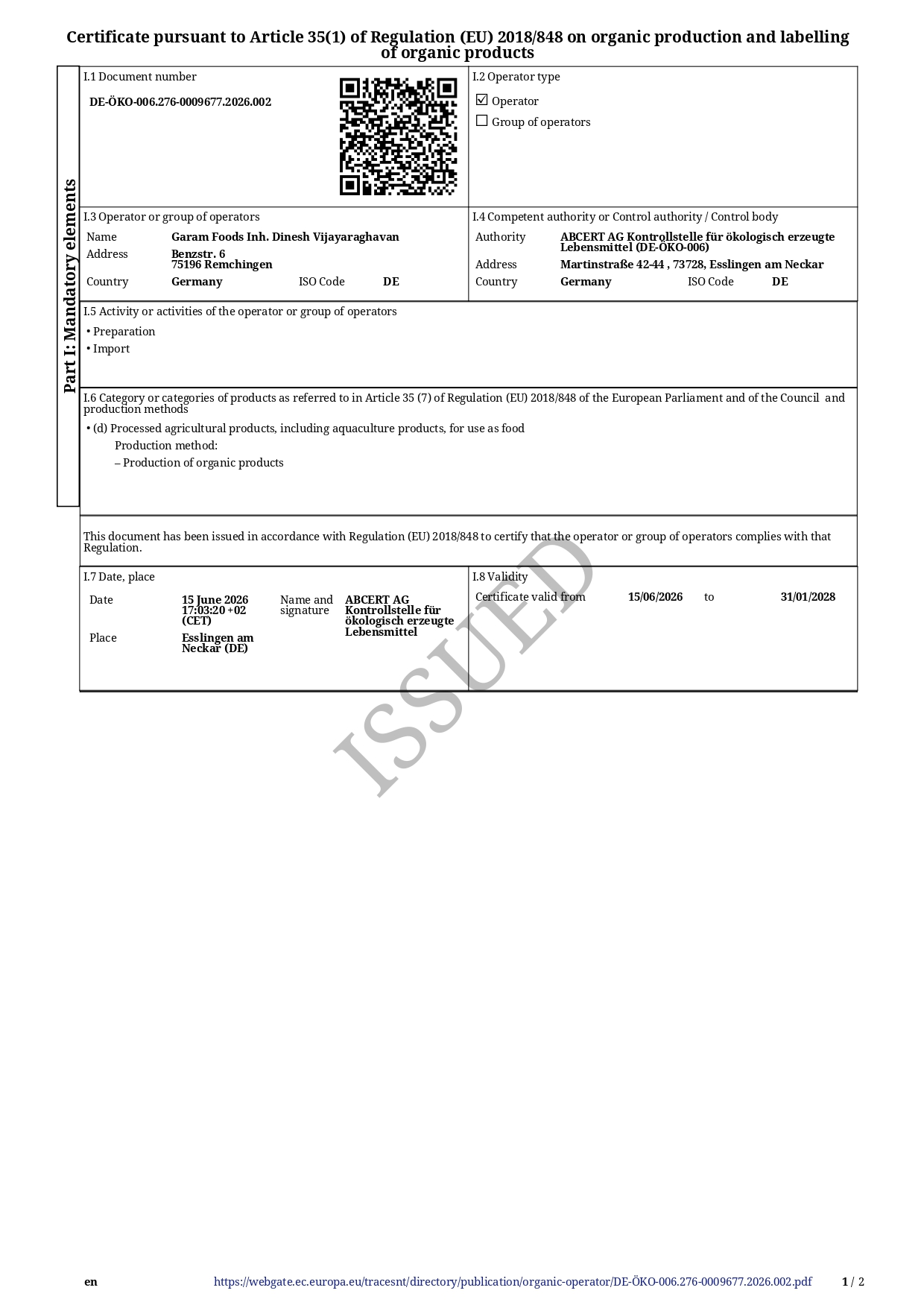
For those moments, Garam Foods Appam Batter makes the preparation a little easier. Add 200 ml of coconut milk to the batter, give it a good mix, and you can bring your own version to the pan. Want a Kerala-style appam with coconut milk and stew? Go ahead. Craving a Sri Lankan Bittara Appa? Crack an egg into the centre while it cooks.
One batter, two food traditions, and plenty of ways to enjoy it.
Whether you call it Appam, Appa or Hopper, perhaps the most interesting part of the story is not deciding which country it belongs to. It is seeing how a simple dish can travel across the sea, change along the way, and still taste like home.